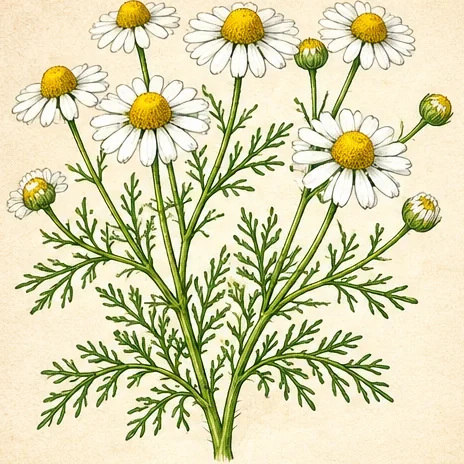
ChamomileDownload image
Flower heads for calming tea or skin compresses; avoid if ragweed-sensitive.
Illustrated botanical reference: where herbs grow, traditional uses, preparation, application and safety limits.
Field guide · Medicinal Herbs
Illustrated botanical reference: where herbs grow, traditional uses, preparation, application and safety limits.
Reviewed: November 2026. This educational guide does not replace accredited training, equipment manuals, local rules, medical professionals or live emergency instructions.
Medicinal plants may provide limited symptom relief; they are not a reliable cure for infections, poisonings, serious wounds, diabetes, asthma, or medical emergencies. The quality of evidence differs greatly by plant and preparation. Continue prescribed treatment and seek qualified care when symptoms persist or worsen.
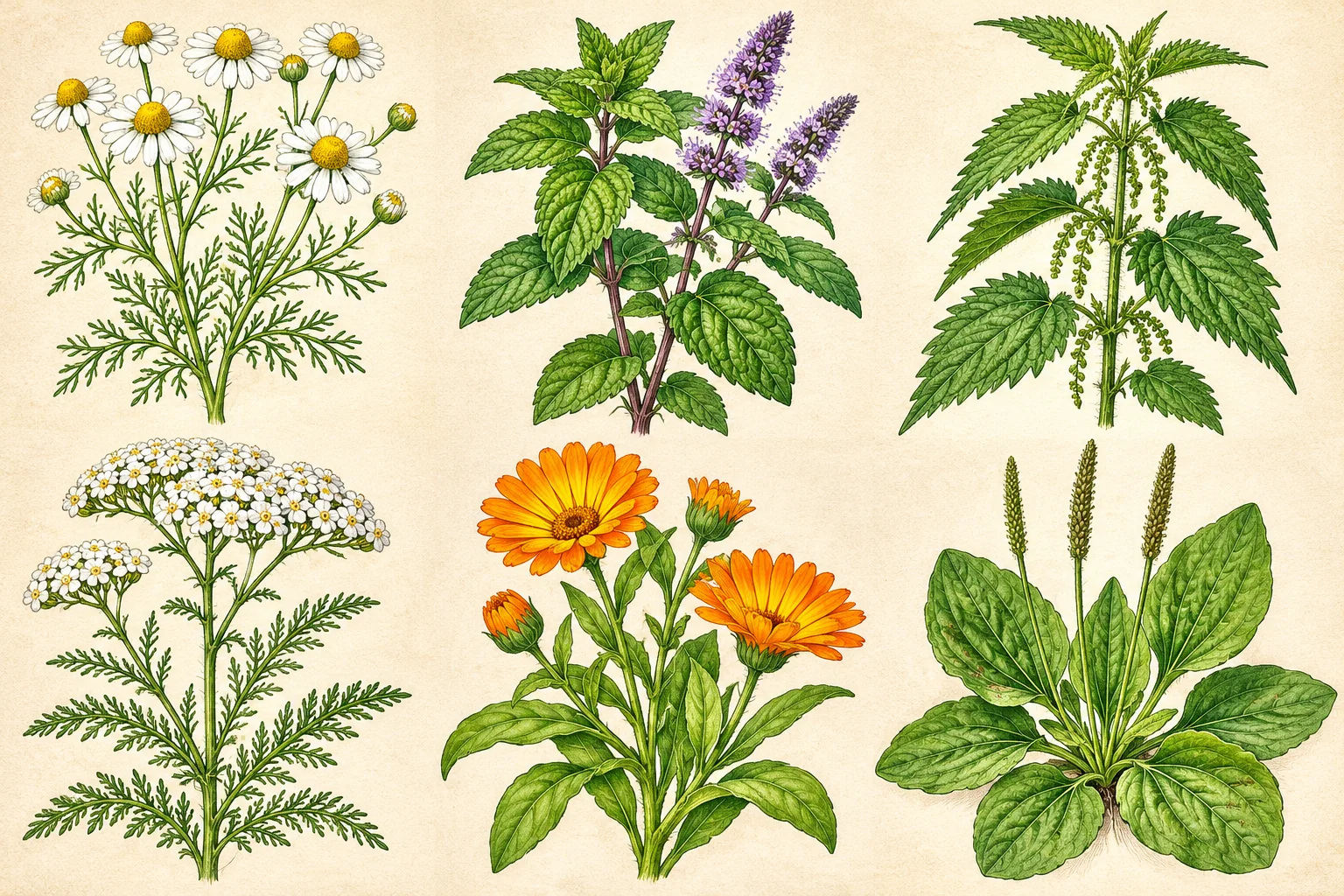
Where found: cultivated gardens and some fields or disturbed ground in temperate regions; similar daisies may be misidentified. Use: fragrant dried flower-heads made into tea are traditional for relaxation, but clinical evidence for treating specific conditions is limited. Prepare: use a verified, food-grade dried chamomile infusion following its package directions; strain flowers. Apply: drink as a beverage only if appropriate for you. Warnings: avoid if allergic to ragweed/daisy relatives; ask a clinician before combining with warfarin, sedatives or other medication. Do not apply home-brewed tea to serious wounds or eyes.
Where found: most reliable from a named garden plant; often cultivated in moist soil. Use: peppermint tea is traditionally taken after meals; evidence for peppermint leaf as a treatment is limited. Standardized enteric-coated peppermint oil has some evidence for irritable-bowel symptoms, but it is not equivalent to tea. Prepare: steep a few clean, correctly identified food-grade leaves in freshly boiled water, covered, then strain. Apply: sip the tea; do not put undiluted essential oil in drinking water or wounds. Warnings: may worsen heartburn; concentrated oil is unsuitable around infants' faces.
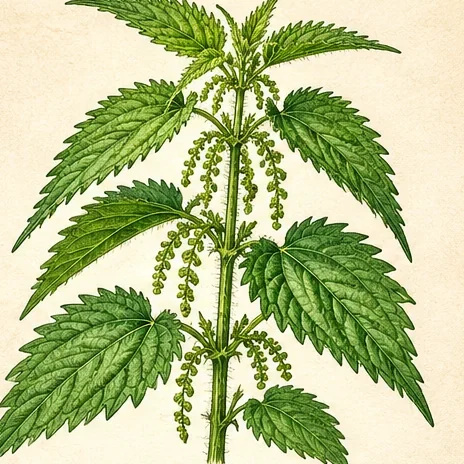
Where found: fertile soils near hedges and clearings in temperate regions; strongly stinging leaf hairs. Use: nutritious cooked greens; medicinal claims for arthritis and allergies are not well established. Prepare: handle with gloves and use only verified young leaves from clean ground; cook thoroughly as a food. Apply: food, not a wound poultice. Warnings: raw hairs can cause a painful skin reaction; ask a clinician if taking blood-pressure, diuretic, diabetic or anticoagulant medicines.
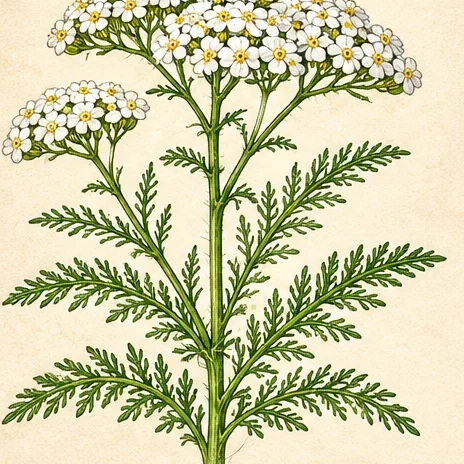
Where found: temperate meadows and verges, with finely divided leaves and clusters of small flower heads. Use: historically used on minor skin complaints, but dependable clinical evidence for wound healing is lacking. Prepare / apply: do not pack wild plant material into open wounds, and do not replace clean dressings with yarrow. For minor skin care, prefer sterile supplies and a clinician-recommended product. Warnings: possible contact allergy; small white-flowered plants have dangerous lookalikes, including poison hemlock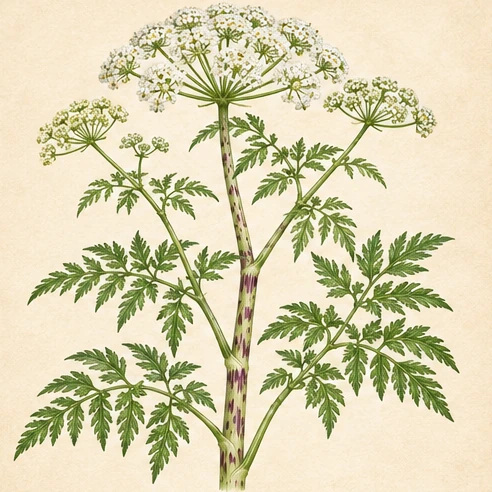 ↓ image.
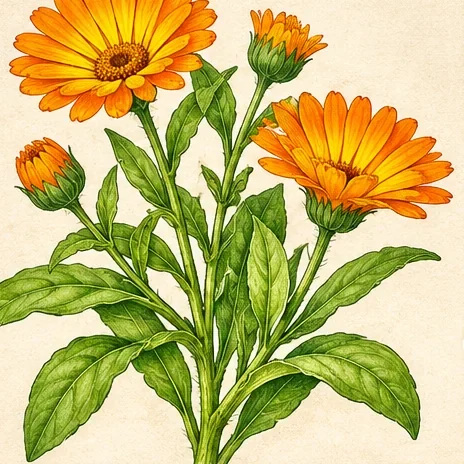
Where found: often grown as orange pot marigold in gardens; select verified plants rather than similarly colored wild flowers. Use: traditional soothing skin preparations, but evidence for treating wounds is limited. Prepare: choose a labeled commercial calendula cream made for skin, rather than homemade nonsterile oil for cuts. Apply: patch-test on intact skin and follow product directions. Warnings: avoid if allergic to daisy-family plants; never apply a home infusion to deep burns or infected wounds.
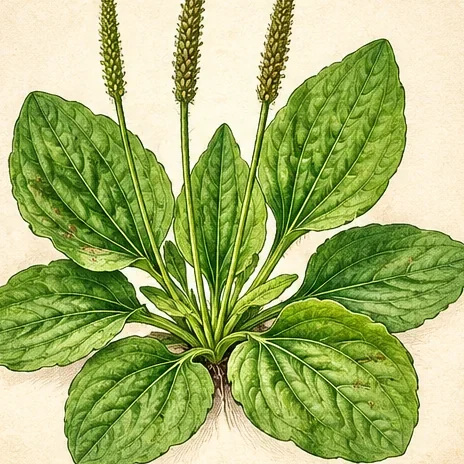
Where found: compacted lawns, paths and verges in temperate climates; low rosettes with prominent parallel leaf veins and narrow flowering spikes. Not the banana-like fruit called plantain. Use: traditionally used as a soothing leaf poultice; controlled human evidence is inadequate. Prepare / apply: do not apply crushed outdoor leaves to wounds because of dirt and infection risk. Use clean water and sterile dressings for injuries. Warnings: contaminated urban plants and identification errors are significant hazards.
Ginger (Zingiber officinale): obtained from a food supplier or planted rhizome, not a wild-foraged European root. Food-grade ginger infusion can be prepared by steeping thin slices in hot water; some evidence supports ginger for pregnancy-related nausea, but motion-sickness evidence is poor. Ask a clinician about persistent vomiting, pregnancy and medicine interactions.
Thyme (Thymus vulgaris): garden herb common in sunny, well-drained beds. Food-grade thyme tea is traditionally used for a chesty cough; the European Medicines Agency describes its medicinal evidence as mainly traditional rather than strong clinical proof. Seek care for breathing difficulty, fever or persistent cough.
Aloe vera: cultivated fleshy succulent, generally not a wild temperate herb. A labeled, prepared topical aloe gel may soothe minor skin irritation in some people; test a small intact area. Avoid oral aloe latex and homemade whole-leaf drinks, which may cause serious adverse effects. Cool a fresh burn with running water first and seek appropriate medical care.
Checked against publicly available guidance; verify local rules and the manufacturer’s current manual before use.
Hover the herb name for a preview on desktop, click to open the illustration, or use the download link to save the image.
Download imageFlower heads for calming tea or skin compresses; avoid if ragweed-sensitive.
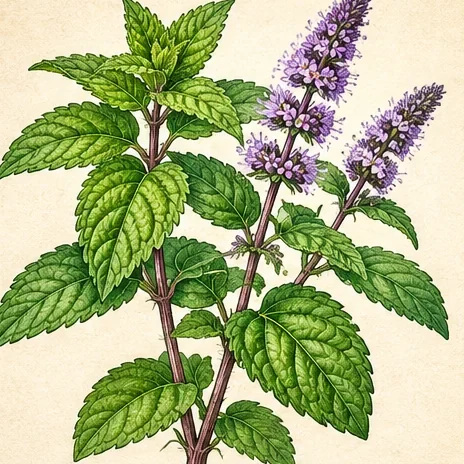 Download image
Leaves for tea and steam inhalation; avoid strong oils in small children.
 Download image
Leaves used cooked as food or dried in tea; gloves required.
 Download image
Traditionally used externally on minor superficial cuts only after reliable identification.
 Download image
Petals for salves and washes on intact skin.
 Download image
Clean leaves traditionally used for soothing poultices on minor irritations.