--:--:--Device time · awaiting synchronization

Wild Food and Safe Foraging

Recognize candidate food sources while avoiding poisonous lookalikes, contamination, and unsafe preparation.

Downloads:Text instructions (.txt)HTML page (.html)
Illustrated warning guide

Poisonous Wild Food Lookalikes

These illustrations are warning aids only. If a plant could be one of these, do not experiment.
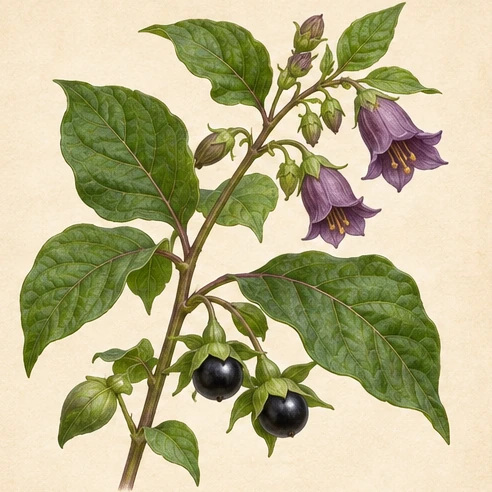
Deadly Nightshade botanical illustration

Deadly NightshadeDeadly Nightshade previewDownload image

toxic berries

What it is: Purple bell flowers with shiny black berries in a green cup.

Why to avoid: Toxic black berries and all plant parts can cause life-threatening poisoning.
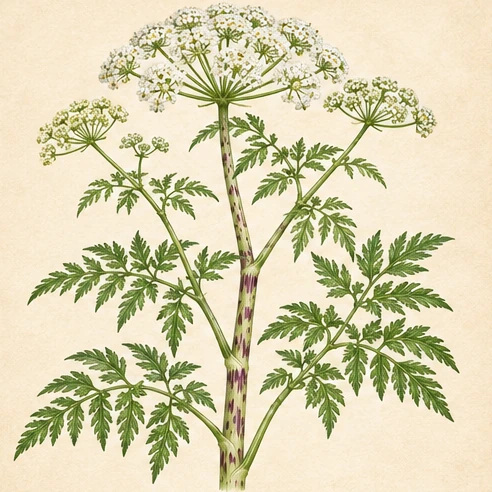
Poison Hemlock botanical illustration

Poison HemlockPoison Hemlock previewDownload image

deadlydo not touch face

What it is: Purple-blotched hollow stems and ferny leaves.

Why to avoid: A deadly umbellifer; ingestion can paralyze breathing.
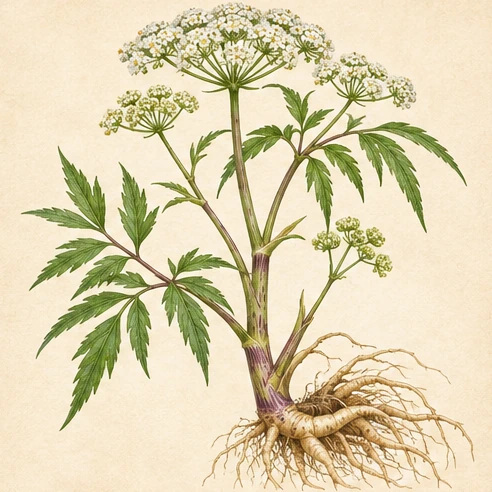
Water Hemlock botanical illustration

Water HemlockWater Hemlock previewDownload image

deadlywetland

What it is: Wet ground habitat with white umbels and chambered roots.

Why to avoid: Among the most poisonous plants in North America and Europe; roots especially dangerous.
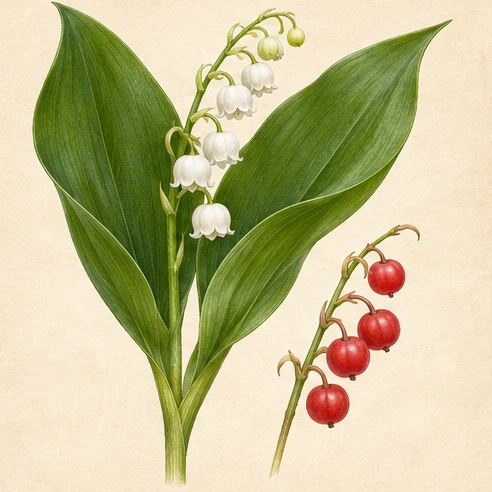
Lily of the Valley botanical illustration

Lily of the ValleyLily of the Valley previewDownload image

toxiclookalike

What it is: Sweetly scented white bells, no garlic smell when crushed.

Why to avoid: Leaves can be mistaken for wild garlic before flowering; toxic berries and leaves affect the heart.
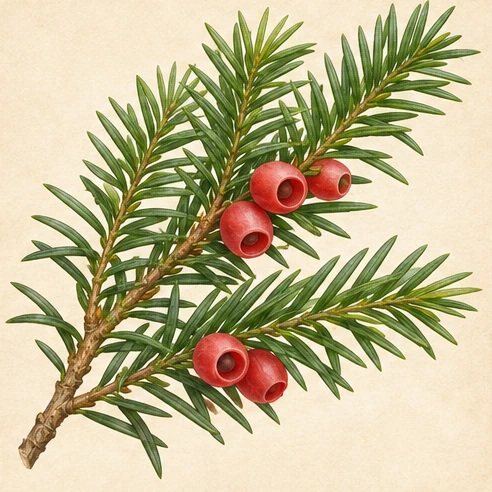
Yew botanical illustration

YewYew previewDownload image

toxic tree

What it is: Flat dark needles with red cup-shaped arils.

Why to avoid: Seeds and needles are poisonous; the red cup around the seed is not a safety signal.
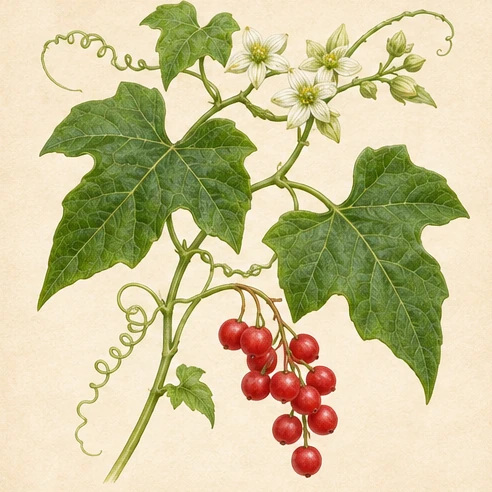
White Bryony botanical illustration

White BryonyWhite Bryony previewDownload image

toxic vine

What it is: Tendrils, lobed leaves and red berry clusters.

Why to avoid: Toxic climbing vine with red berries.

Important identification limit

Identification warning: Botanical drawings are educational illustrations, not diagnostic photographs. They can omit details and may not show regional variants or dangerous lookalikes. Never eat a plant based on an image, color, smell, or this website alone; obtain a qualified local identification and verify the exact edible part and preparation.

Emergency actions after a suspected plant poisoning

  1. Stop eating the plant immediately and remove any plant fragments from the mouth.
  2. Do not induce vomiting unless a poison center or doctor specifically tells you to.
  3. Rinse the mouth, keep the sample, and photograph the whole plant if safe to do so.
  4. Call your local poison center or emergency number with the time, amount, symptoms and any medications taken by the patient.
  5. Seek urgent help fast if there is trouble breathing, confusion, seizure activity, collapse, or heart symptoms.

Identification and safety sources